Repeaters and site infrastructure
6 repeater families for coverage extension and site capacity. A repeater is a project decision, not a product decision — coverage and talk groups are settled first, then the terminals.
6 of 6 identifiers shown
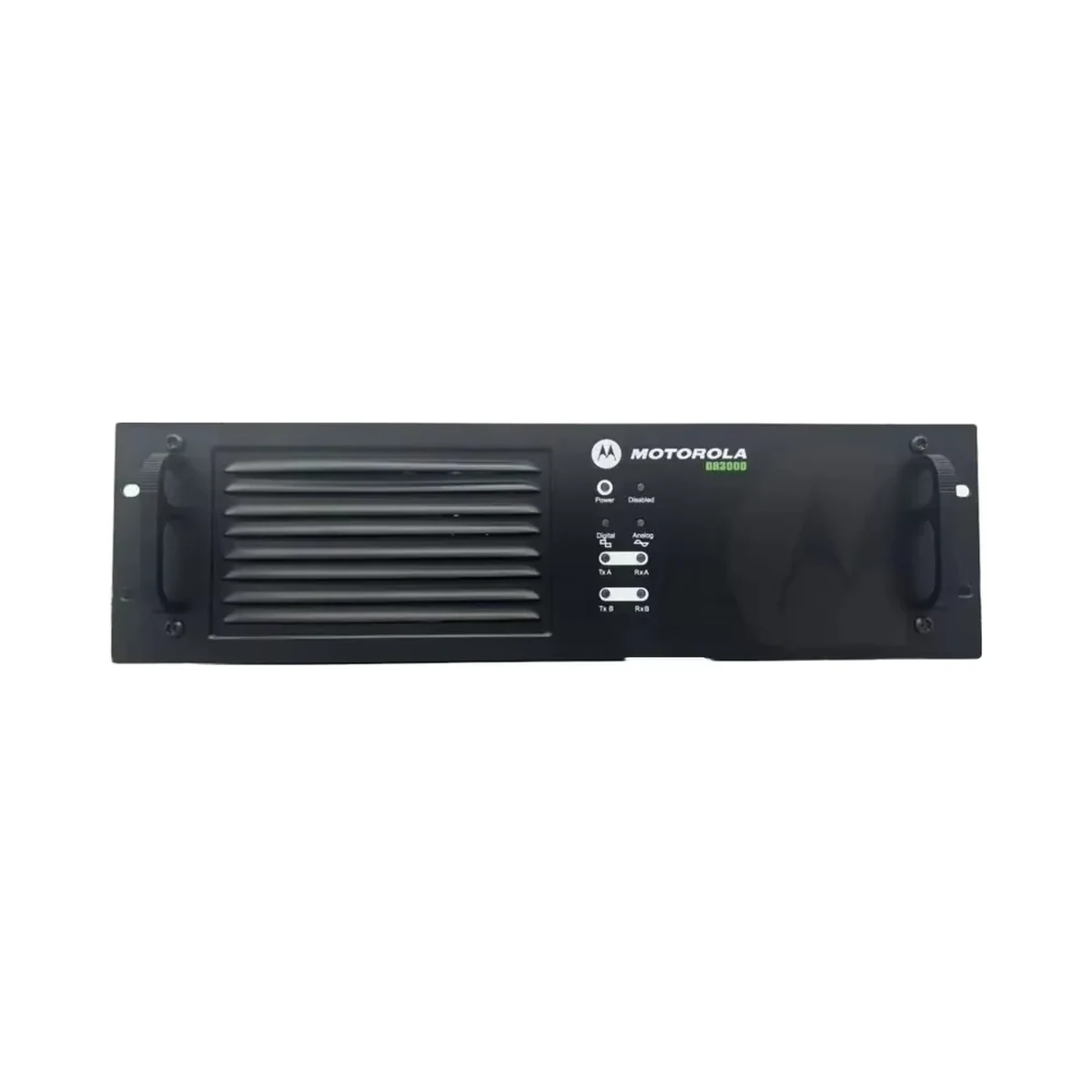
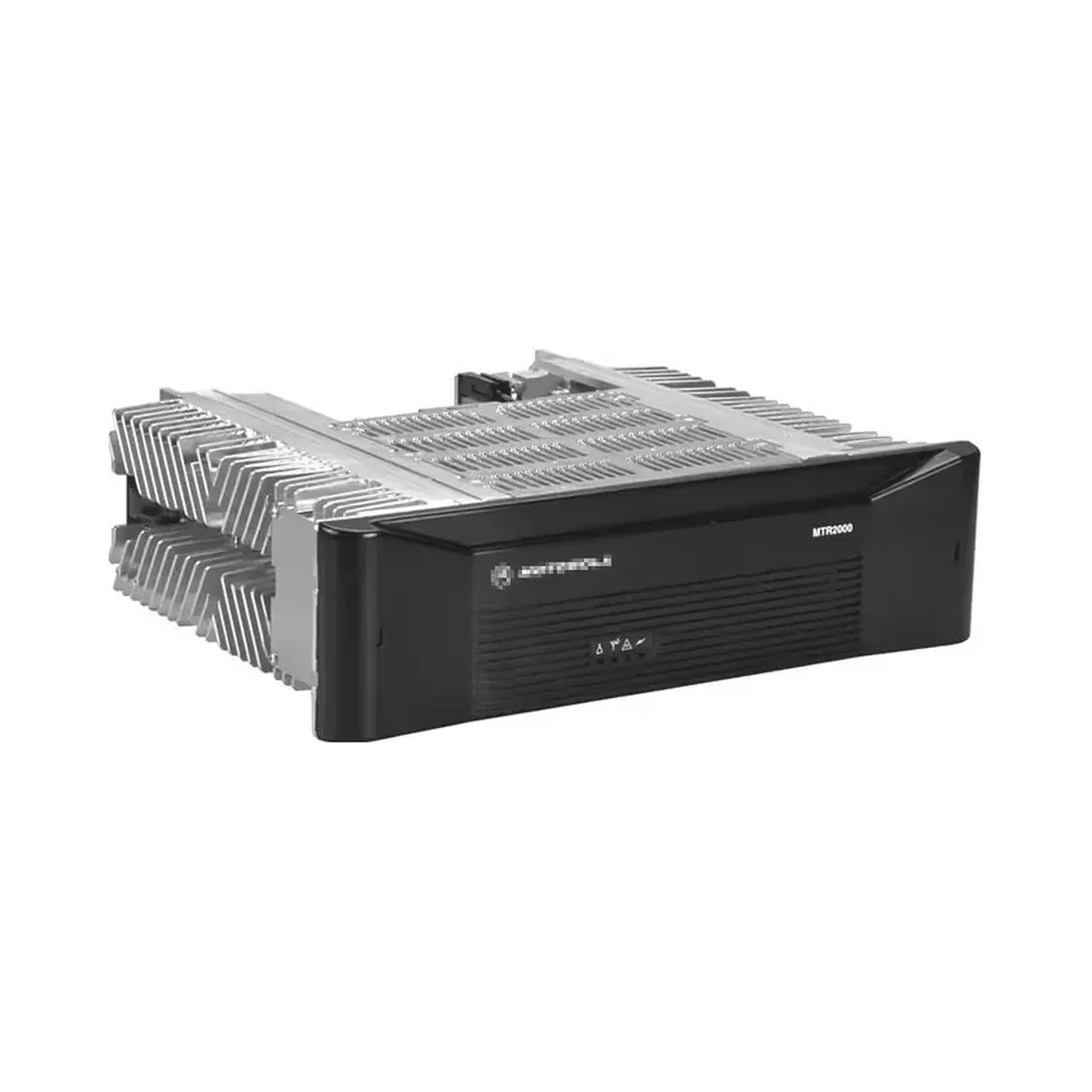
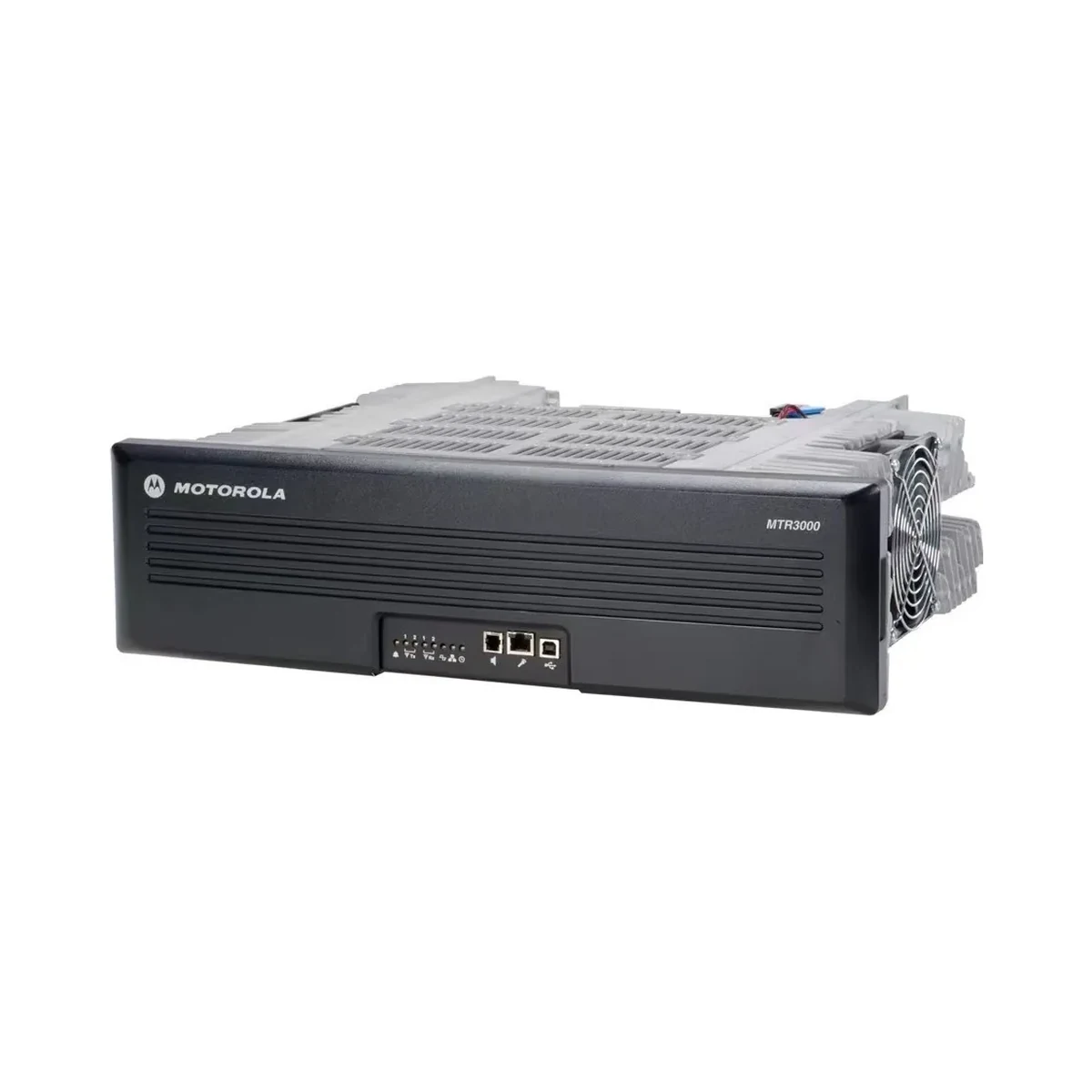
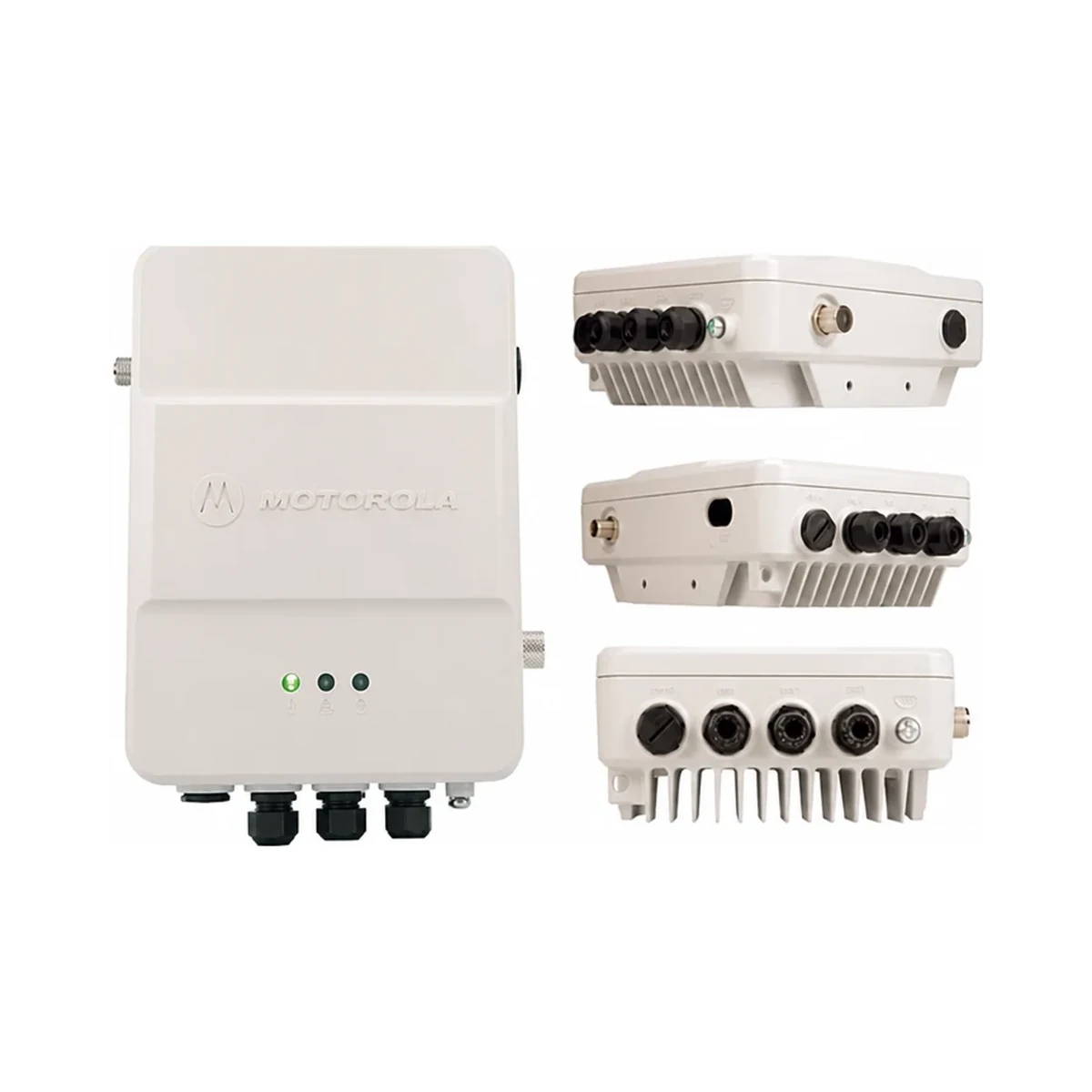
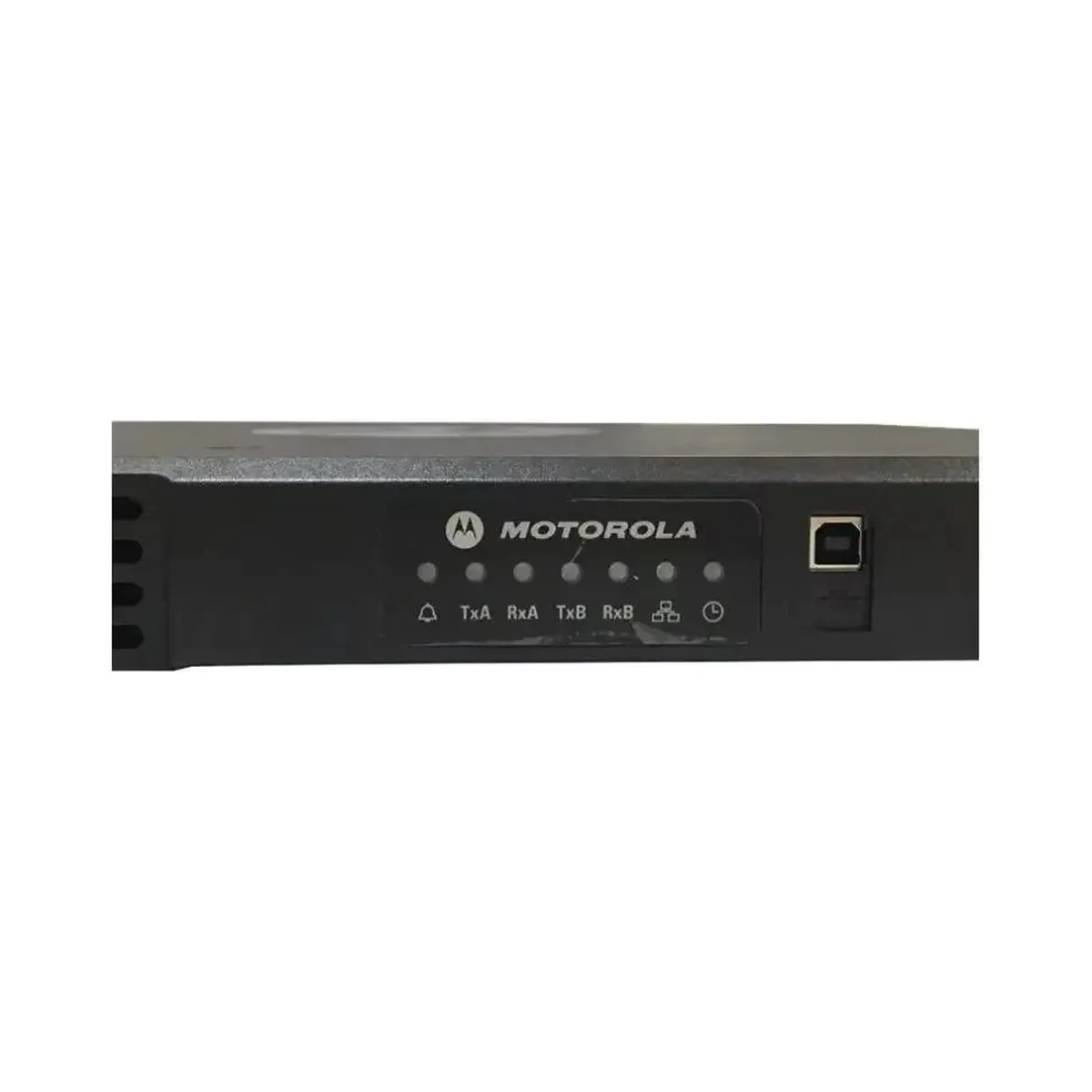
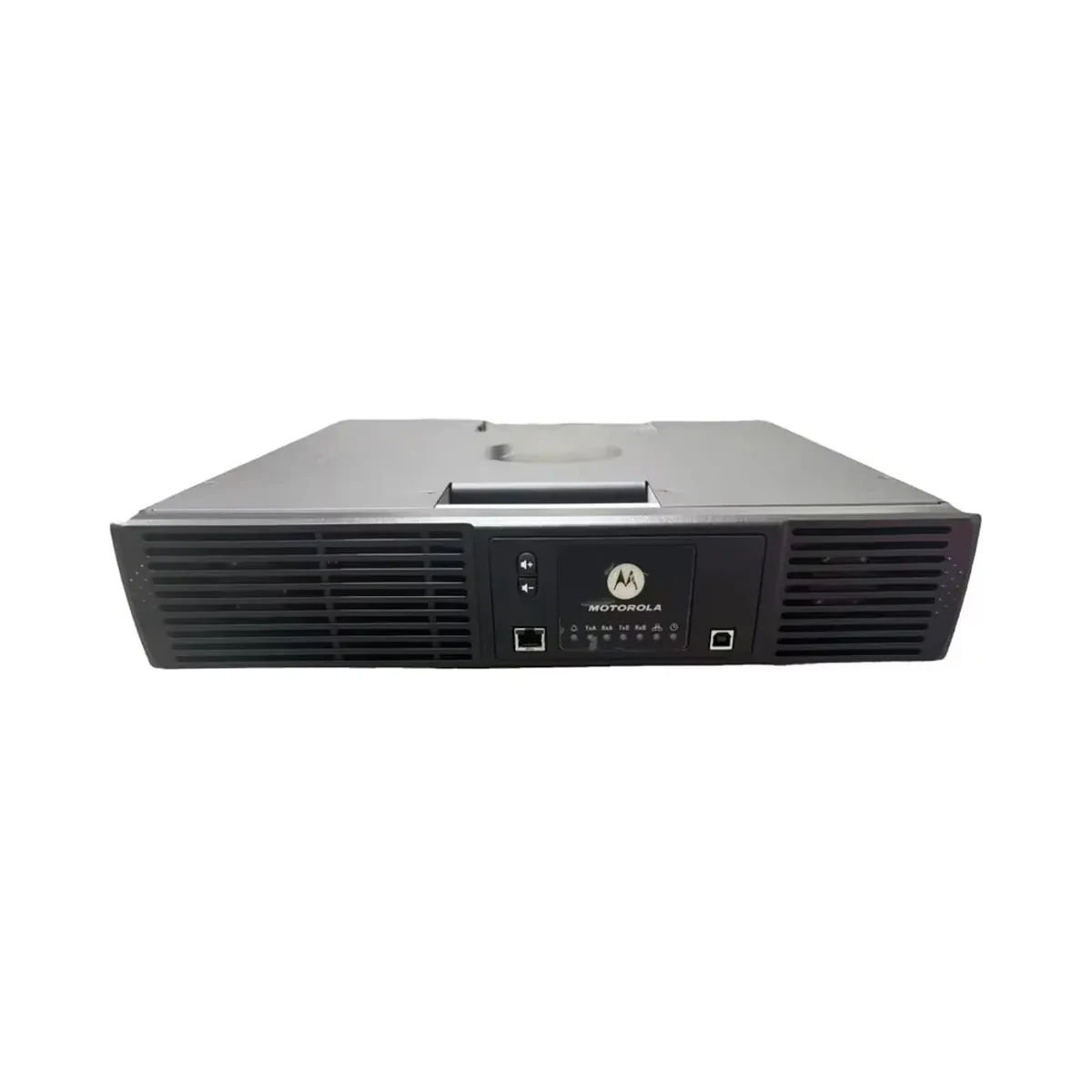
Coverage, then capacity, then terminals
This order matters. Buying terminals first and fitting infrastructure around them is how a project ends up with a repeater nobody needed, or coverage that stops at the loading door.
One building, or several with dead zones? Coverage decides how many repeater sites exist before any handset is chosen.
How many conversations must happen at the same time? That sets the channel and repeater count, not the headcount.
Only now choose portables and mobiles, matched to the bands the repeaters run on.
Audio for noisy roles, vehicle kits for drivers, chargers at the shift handover point.
What to send for a system quote
- Site and coverageBuilding count, floors, steel racking, basement or yard areas.
- Talk groups and usersHow many conversations at once, and how many people on each.
- Licence positionWhich band and channel spacing you are entitled to use.
- TerminalsHow many portables and mobiles, and how many need audio accessories.
A repeater enquiry usually becomes a full system order: one site repeater typically arrives with mobiles for the vehicles and portables for the people who leave them.
If the coverage does not work on paper, we say so before you buy — a second site costs more than a conversation about floor plans.