Long range walkie talkie: what actually extends coverage
Most long range queries are really a coverage question. If two handhelds will not reach across your site, the answer is infrastructure and antenna placement — not a radio advertised with a bigger kilometre figure.
Four things decide your range
- Power and bandHigher power and lower frequency travel further, within what your licence permits.
- Antenna heightHeight beats power every time. A metre of elevation is worth more than a watt.
- ObstaclesSteel racking, concrete floors, hills and dense foliage all absorb signal.
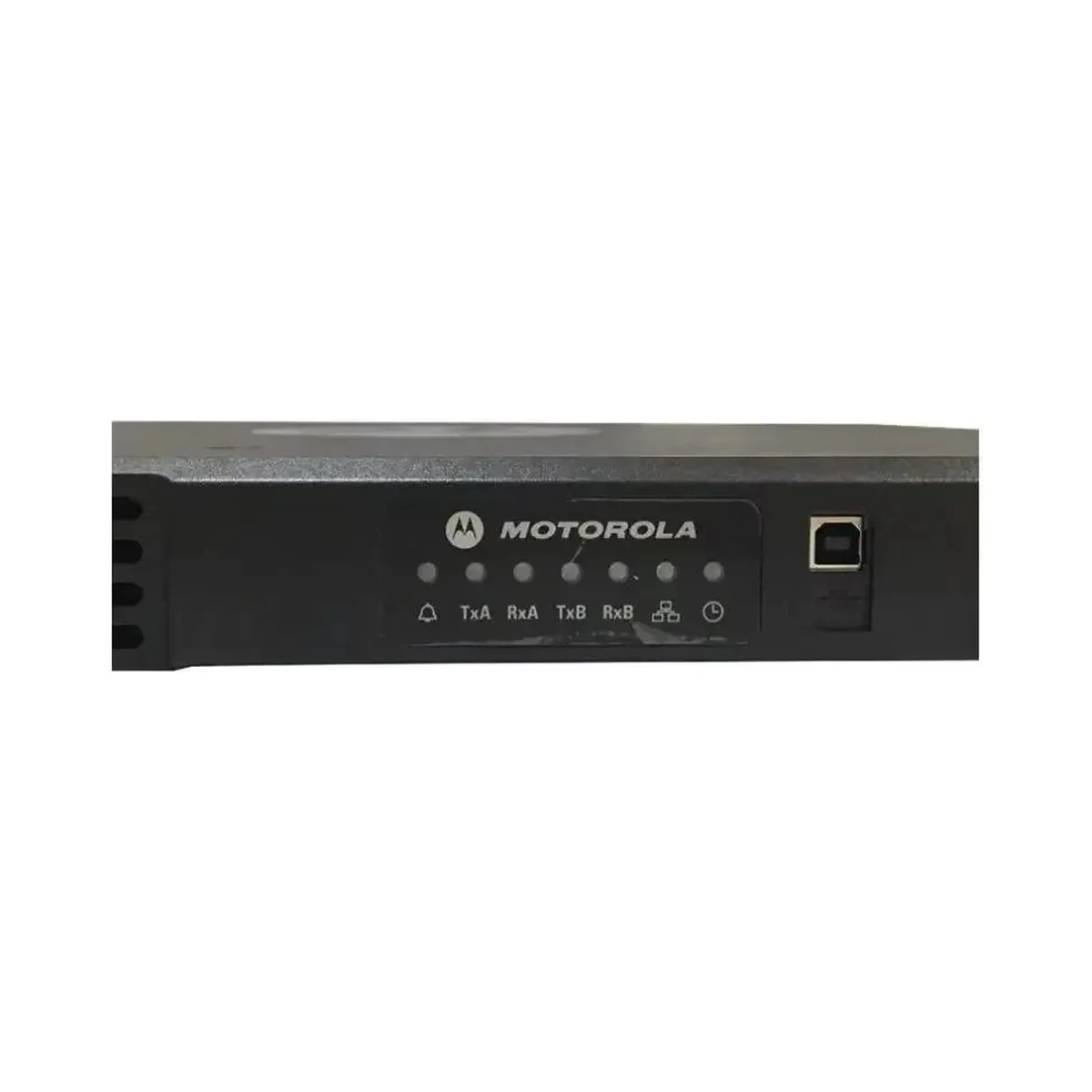
- InfrastructureA repeater on a high point turns a site into a coverage area instead of a line of sight.
If a seller quotes “100 km” for a pair of handhelds, that figure is line-of-sight over open water with nothing in between. On a site, expect a small fraction of it.
We would rather size the system against your site plan than sell you a number. Send the layout and we will tell you what infrastructure the coverage actually needs.
Where to start
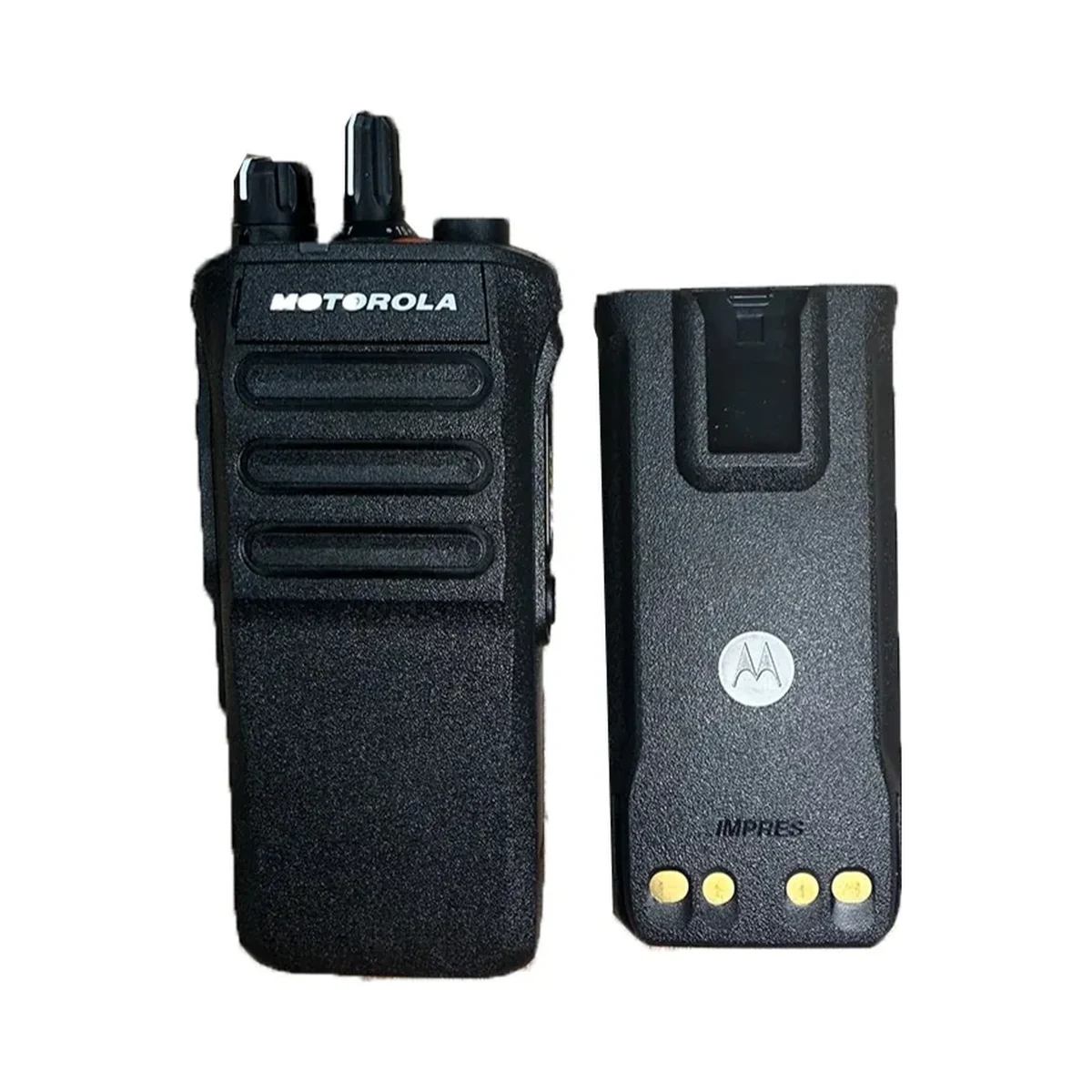
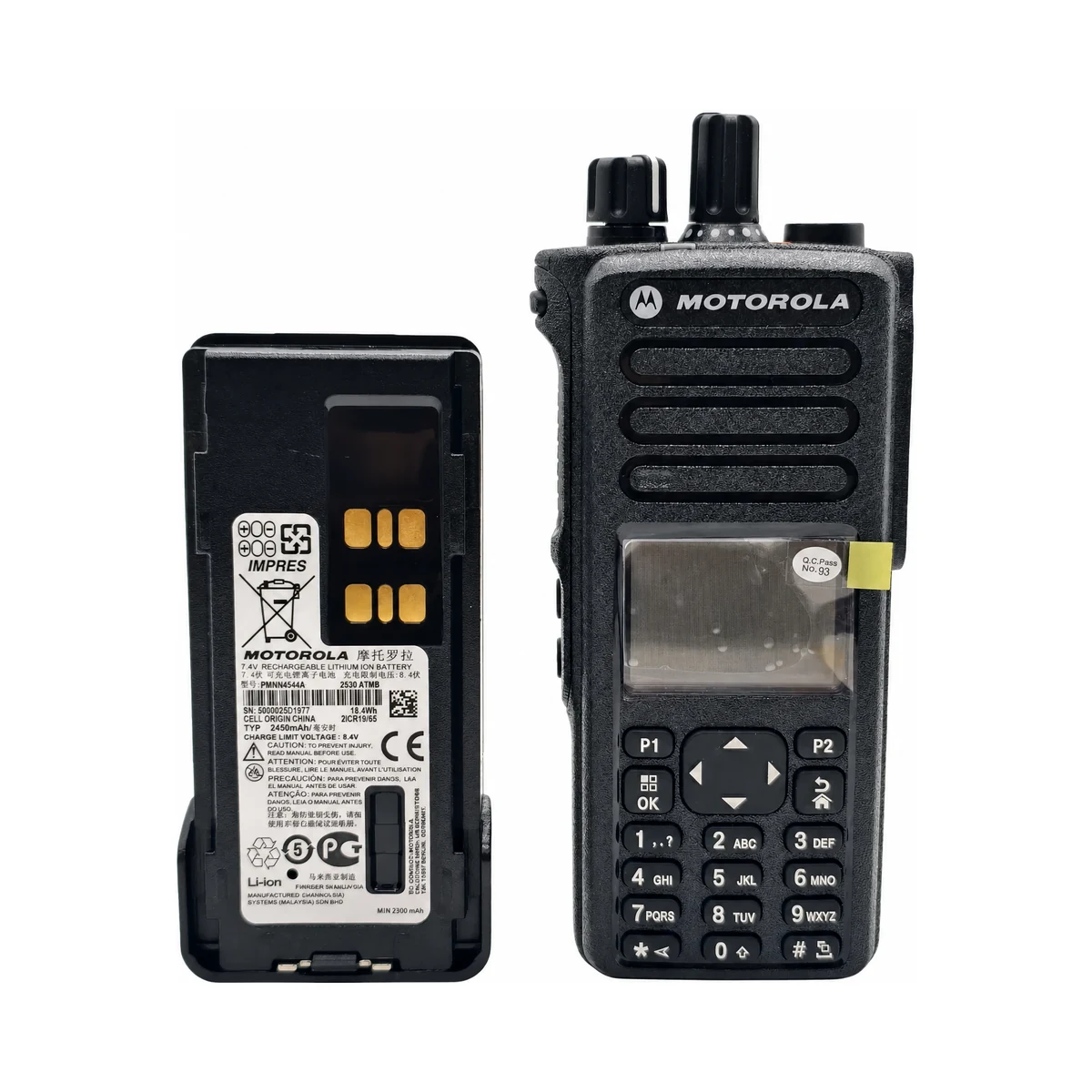
A coverage-friendly portable, a workhorse portable, and the repeater that turns a site into one coverage area.
What buyers type when they mean coverage
These are the phrases recorded in our keyword workbook for this question. Each one lands on this page or on a repeater page — the answer, not another catalogue.
Long range questions, answered directly
There is no single number. Range depends on power, antenna height, terrain and what is between the two radios. Two handhelds on open water reach much further than the same radios inside a steel-framed warehouse.
Not a handheld talking directly to another handheld, legally, on licence-free bands. Long distances come from infrastructure — a repeater on a high point, a directional antenna, or a network-based system — not from a bigger number on the box.
Usually a single repeater placed where it can see the site, plus antennas chosen for the band. After that, a second site or a linked system. Handset upgrades rarely fix a coverage problem.
Almost never. Quoted distances are line-of-sight over open ground. Buildings, racking, hills and even dense vegetation cut the usable distance sharply.